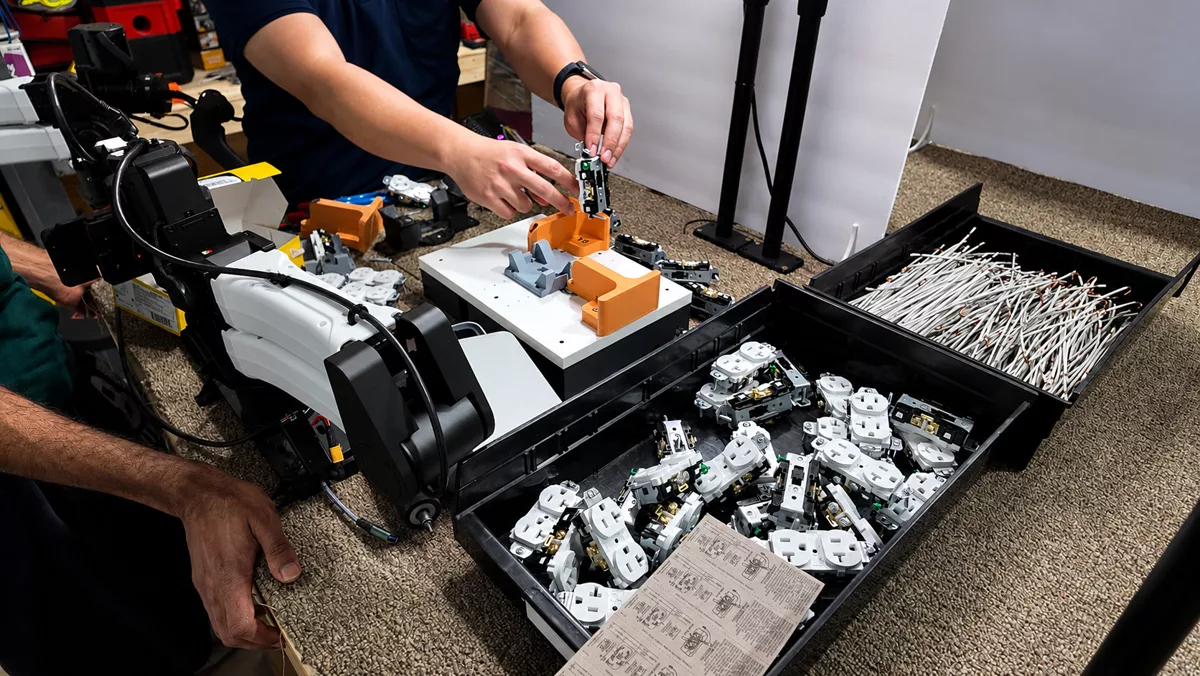
 Shop cam · plug handling
Tactile foundation model.
A sensorimotor model trained on vision, touch, proprioception, and language together. Touch is a first-class input, not an afterthought. The model learns to anticipate contact, not just react to it.
[FI] About
Factory Intelligence is a physical AI company training tactile foundation models for the real world. We build in Lafayette, Indiana, where the work is, and in San Francisco, where the models are trained.
The loop
Each piece feeds the next, and the last feeds back into the first. This is the whole company in four moves.
Shop cam · plug handlingA sensorimotor model trained on vision, touch, proprioception, and language together. Touch is a first-class input, not an afterthought. The model learns to anticipate contact, not just react to it.
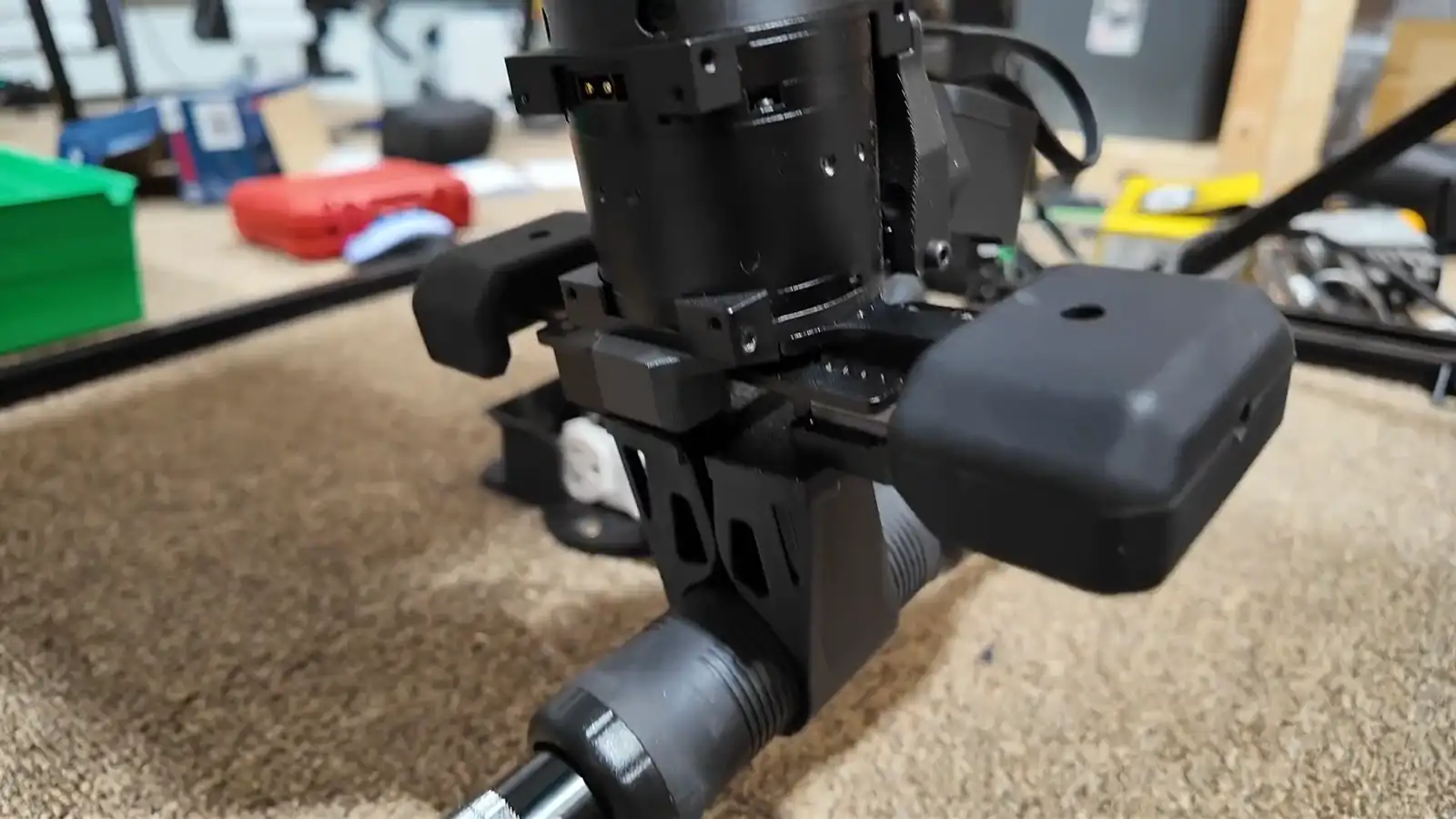 Macro · torque to spec
A classical control layer sits under the learned model, enforcing force and compliance limits in hard real time. If the model gets it wrong, the low-level controller still catches it. Safety and reliability are the substrate.
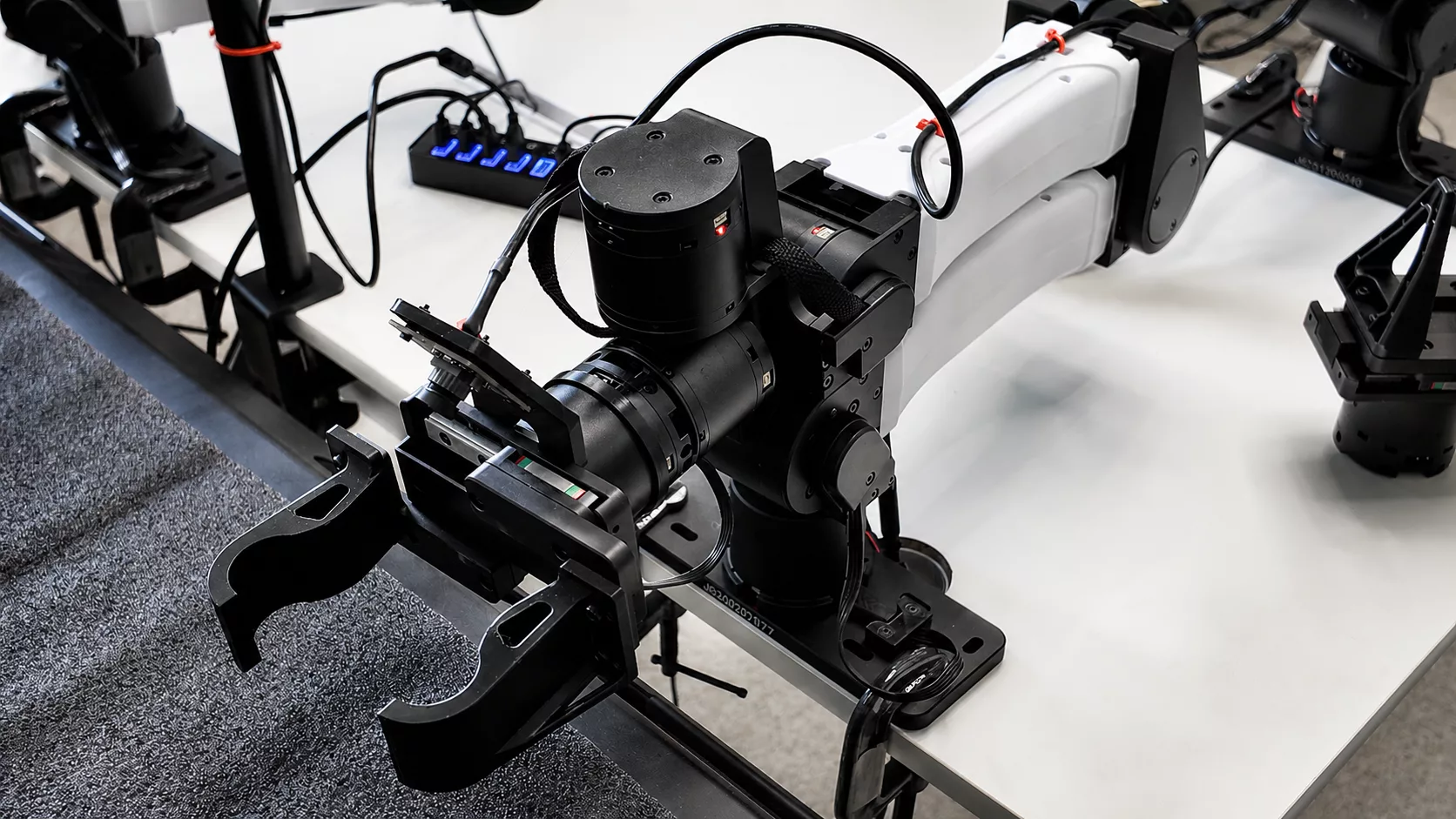 Macro · custom end effector
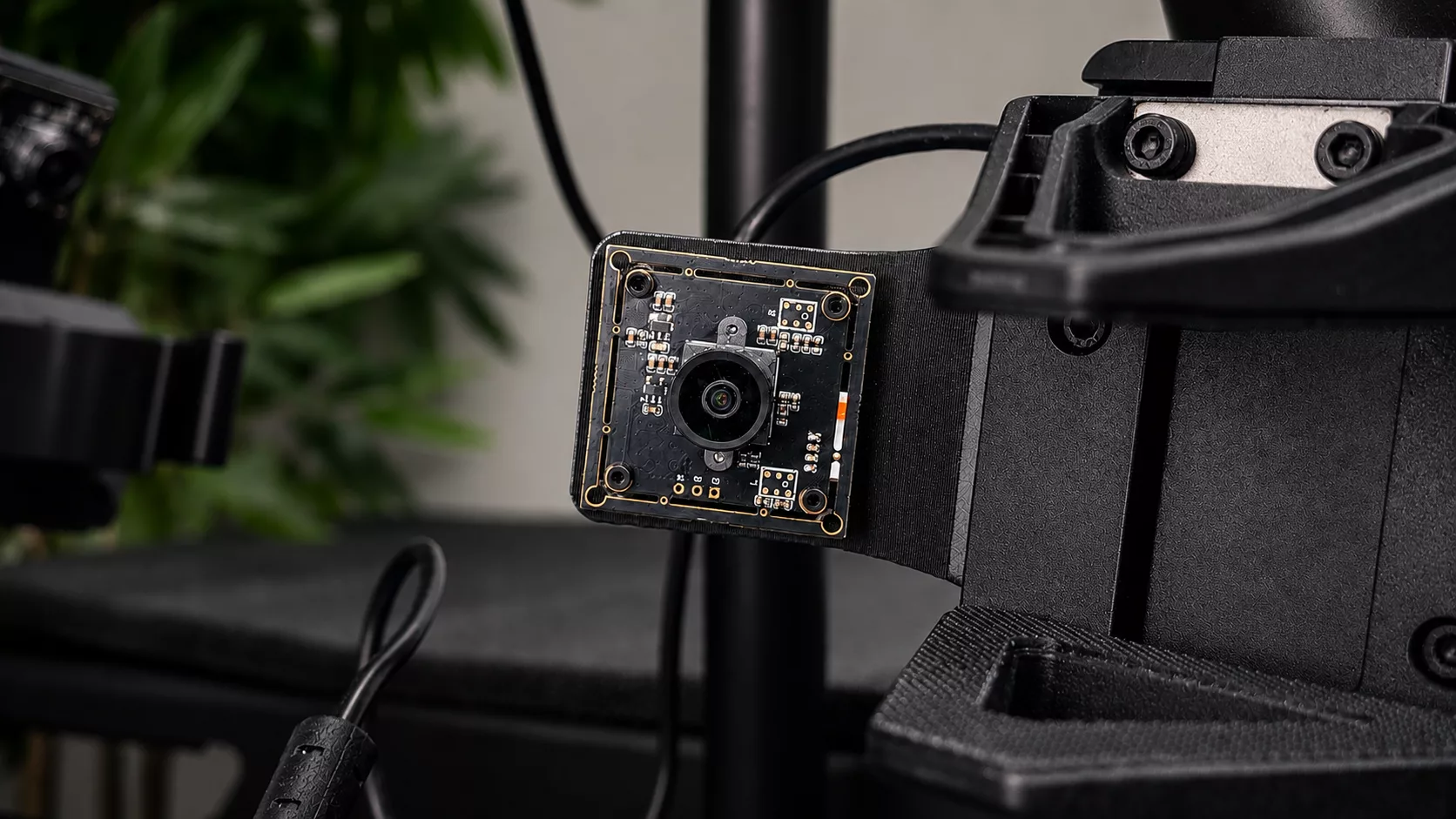
Sensors, grippers, and actuators designed around the model they serve. We build the physical stack so the data we collect and the forces we command are things our own electronics can measure and trust.
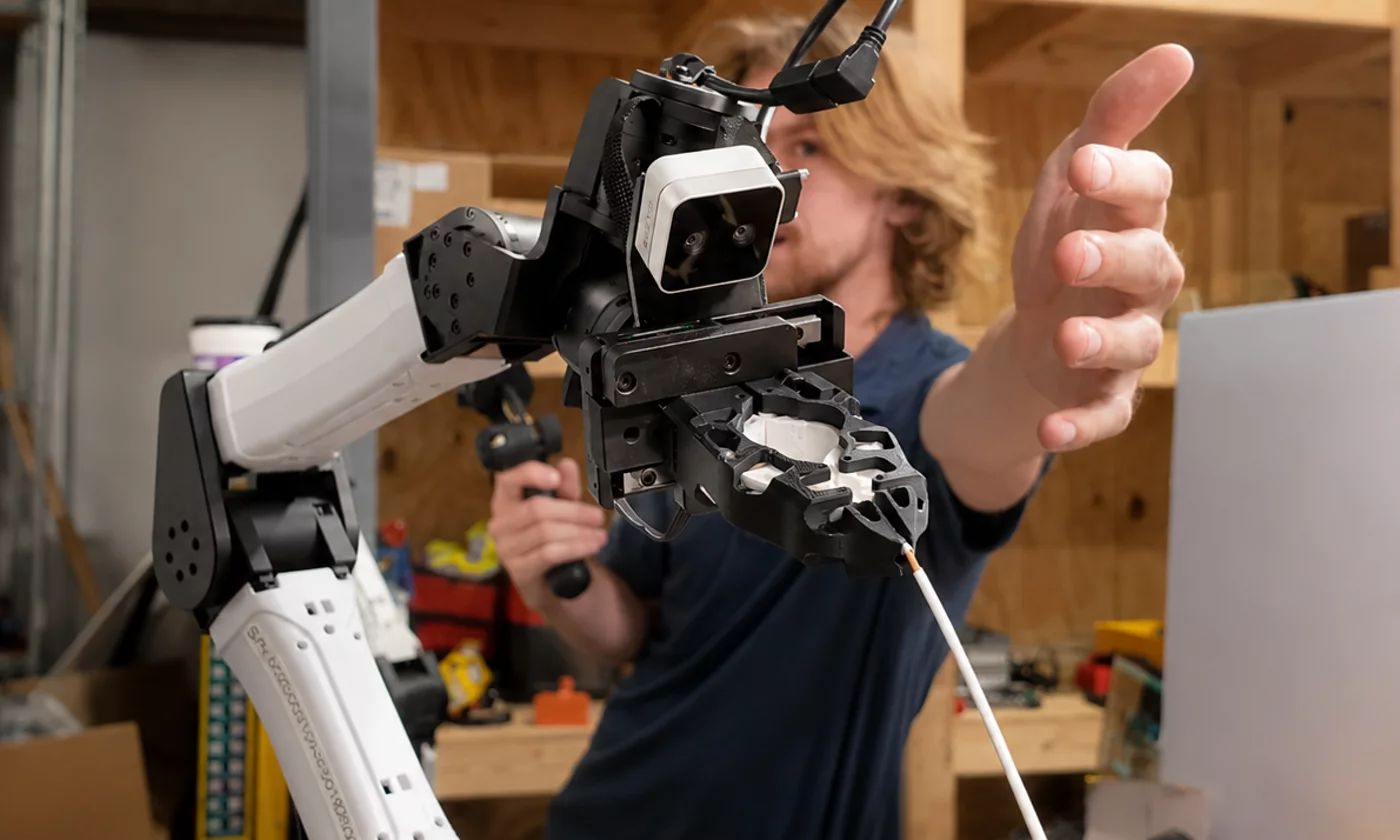
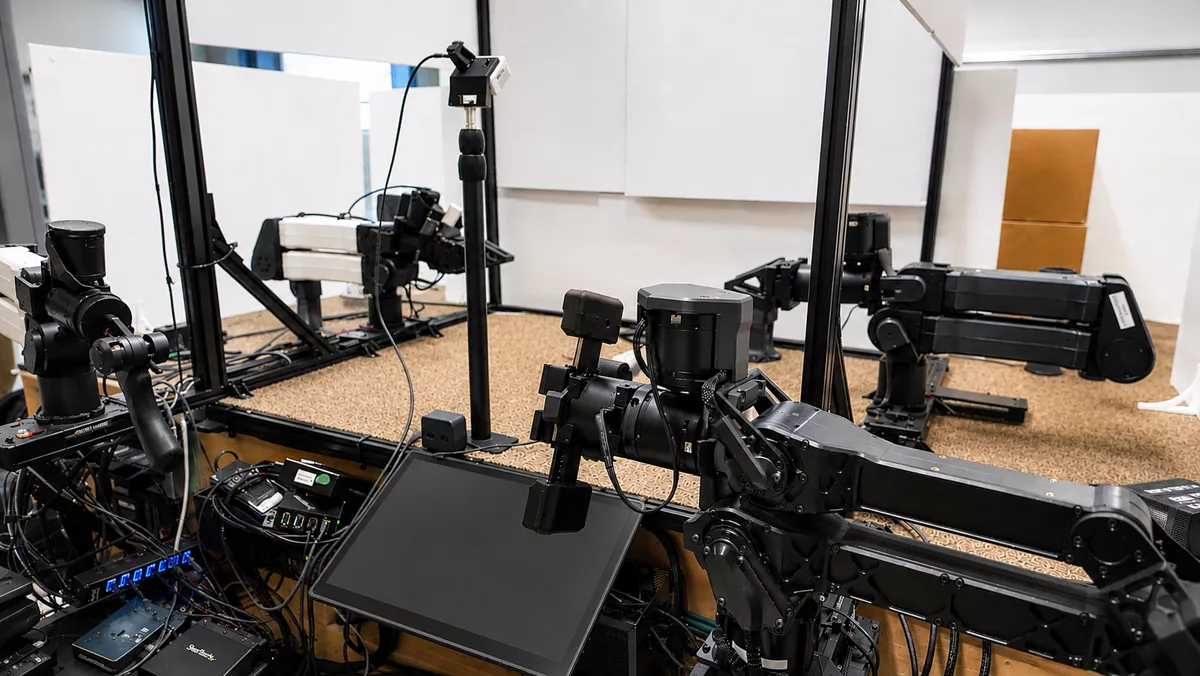 Cell cam · one runtime, many arms
One runtime that sequences skills, coordinates across a fleet, and streams data back to the training loop. A single robot learning in the field becomes every robot's experience by the next release. 04 → 01, and the loop turns again.
FAQ
On the model, the hardware, and why they're built together.
We train tactile foundation models for real-world robotics: sensorimotor models that learn from vision, touch, proprioception, and language together. We pair the model with a real-time control layer, hardware we build ourselves, and software that runs a whole fleet from one runtime. That combination is what's running in production today.
Our arms sense force and contact directly, through sensors and a control layer built for that purpose, and that signal is a first-class input to the model, not a diagnostic bolted on afterward.
Vision can localize a part. It can't tell you whether the contact the arm just made was correct. Touch closes that gap: it's the signal that tells the model whether an interaction is working, which is exactly what's missing when a rigid, vision-only system meets a part that flexes, snags, or shifts.
A sensorimotor model trained on vision, touch, proprioception, and language together, where touch is a first-class input rather than an afterthought. It learns to anticipate contact, not just react to it after the fact.
Most robotics models generalize from vision and language, with touch, if it's used at all, added on as a secondary signal. We start from touch as a first-class input, trained jointly with vision, proprioception, and language from the beginning, not layered in afterward.
The model is only as good as what it can measure and trust. A classical control layer sits under the learned model and enforces force and compliance limits in hard real time, so if the model gets something wrong, the low-level controller still catches it. That layer, and the electronics feeding it, are ours, because safety and reliability have to be the substrate, not a plug-in.
Fixed-path robots need a part to show up in exactly the same place, the same way, every time. The moment something flexes, snags, or shifts, rigid automation stops. That's most manipulation work, which is why it's still done by hand.
One runtime sequences skills, coordinates the fleet, and streams data back into training. A robot learning something new on a shop floor becomes every robot's experience by the next release, not just that one arm's.
Deployed. Arms are running wire prep and assembly in production at an electrical prefab shop in Indiana today, on real orders and real quotas, every shift.
Manufacturers with a manipulation task they can't staff or automate with fixed-path robots, researchers and engineers who want to work on tactile foundation models, and investors. The contact form has a track for each: work with us, careers, invest, or general.
In production today · from $3/hour effective · 94% below manual labor
Bring us your worst task.Lafayette, Indiana · San Francisco · hello@factoryintelligence.com